



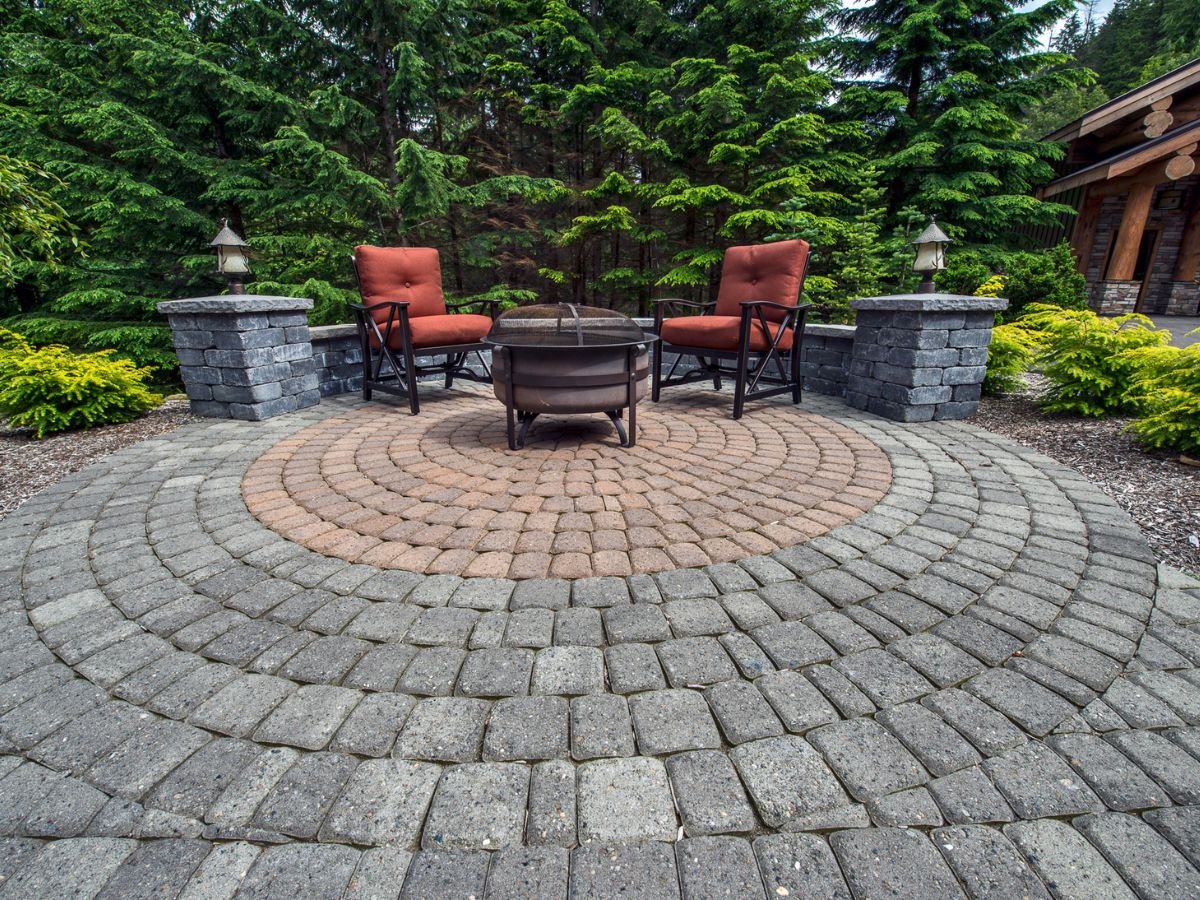
Residential patio construction plays a critical role in the durability, functionality, and long-term value of any outdoor living space. A well-built patio is more than just a design feature — it is a structural investment that must withstand weather conditions, foot traffic, and seasonal changes over time.
At Cambridge Pavers, we work with contractors and design professionals who install residential patios every day. Through these projects, we understand the construction practices that lead to long-term performance and the common oversights that can cause costly issues later.
1. Proper Site Planning and Layout
One of the most important steps in residential patio construction is planning the layout according to how the space will be used. Poor planning can result in inefficient traffic flow, limited functionality, and future redesign costs.
Before construction begins, homeowners and contractors should evaluate space usage, furniture placement, and accessibility to ensure a functional and cohesive outdoor environment.
2. Choosing High-Performance Materials
Material selection directly affects the longevity of a patio. Many residential patio construction projects fail prematurely due to low-quality or climate-inappropriate materials.
Homeowners should prioritize durability, slip resistance, and weather performance when selecting paving systems to ensure long-term structural integrity and aesthetic appeal.
3. Proper Base Preparation and Compaction
A stable foundation is essential for successful residential patio construction. Skipping or rushing base preparation can lead to sinking, shifting, and surface cracking over time.
Professional installation should include:
Proper excavation depth
High-quality aggregate base
Mechanical compaction in layers
These steps help ensure long-term stability and load distribution.
4. Effective Drainage and Water Management
Drainage is one of the most overlooked aspects of residential patio construction. Without proper grading and drainage planning, water can accumulate and damage both the patio surface and surrounding structures.
Contractors should incorporate slope, drainage systems, and water flow strategies to protect the patio’s structural performance.
5. Integration with Outdoor Living Features
Modern residential patio construction often includes integrated features such as outdoor kitchens, fire pits, seating walls, and poolside areas. Planning these elements early ensures seamless construction and avoids costly modifications later.
A cohesive design approach improves both functionality and long-term usability.
6. Understanding Long-Term Maintenance Requirements
Every patio material requires maintenance over time. During the residential patio construction process, homeowners should understand sealing schedules, cleaning practices, and long-term care requirements.
This proactive approach helps preserve the patio’s appearance and structural integrity for years to come.
7. Working with Experienced Professionals
Residential patio construction is a technical process that requires expertise in grading, material performance, and installation standards. Working with experienced contractors and design professionals significantly reduces the risk of future performance issues.
Professional guidance ensures proper construction methods, code compliance, and long-term durability.
Final Thoughts on Residential Patio Construction
Successful residential patio construction is the result of proper planning, quality materials, expert installation, and long-term performance considerations. When homeowners and professionals collaborate from the early planning stages, the result is an outdoor space that delivers durability, functionality, and lasting value.
Investing in professional residential patio construction not only enhances outdoor living but also protects your property investment for the long term.